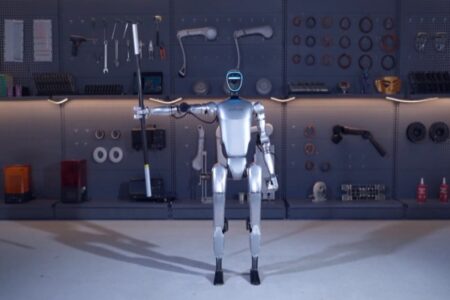
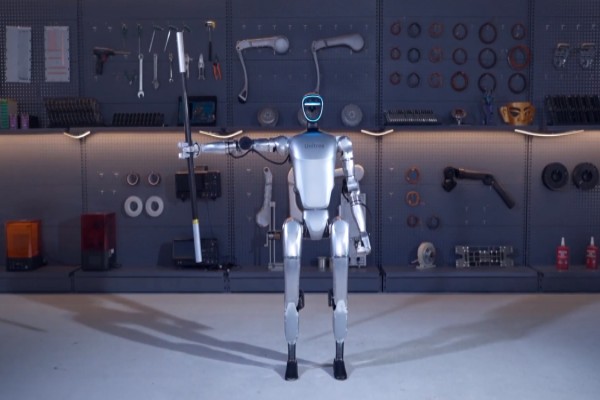

The decisive variable is not organizational prestige or research ambition, but workload geometry. A humanoid earns its control complexity when the task is physically organized around the human body: controls sit at chest height, tools assume bilateral reach, work surfaces require upright access, and the route includes doors, stairs, shelves, handles, or fixtures that cannot be redesigned economically. In those environments, the Unitree G1 provides a compact bipedal envelope that allows locomotion and manipulation to coexist inside infrastructure built for people, but every arm movement, payload shift, external contact, and floor transition becomes part of the whole-body stability problem.