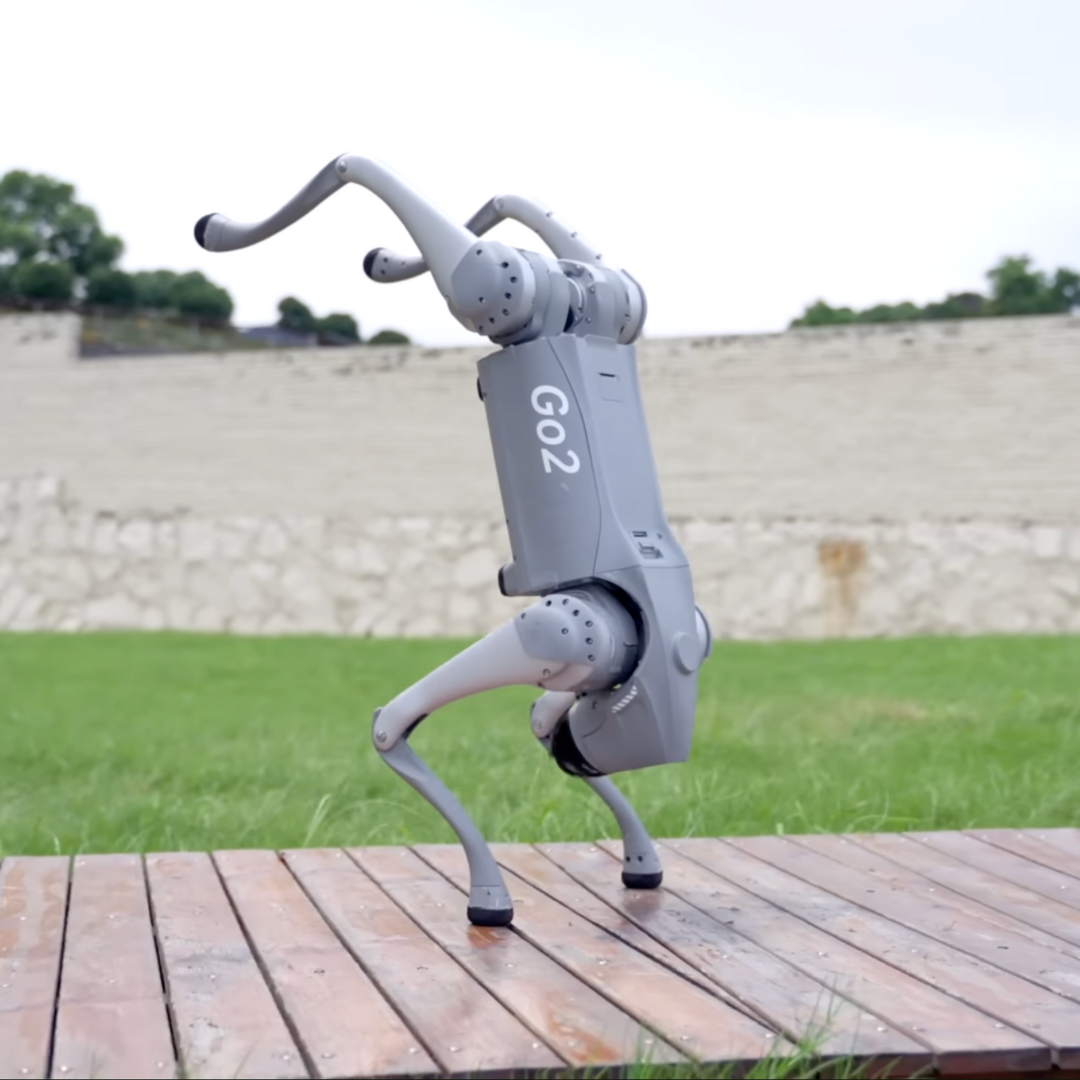

Industrial quadrupeds are becoming part of the modern inspection stack. By moving sensors through dangerous and repetitive routes, they reduce worker exposure, increase inspection cadence, and produce more consistent site data. The strongest ROI comes from deploying them against clearly defined risks, workflows, and asset-availability targets. Why Are Industrial Operators Moving Inspection Off the Human Route? For industrial operators, a Unitree robot dog is best understood as a mobile sensing platform rather than a labor-replacement narrative. Its commercial value appears when it can carry cameras, gas detectors, LiDAR, or acoustic sensors through environments where sending a person is expensive, slow, or unnecessarily dangerous.