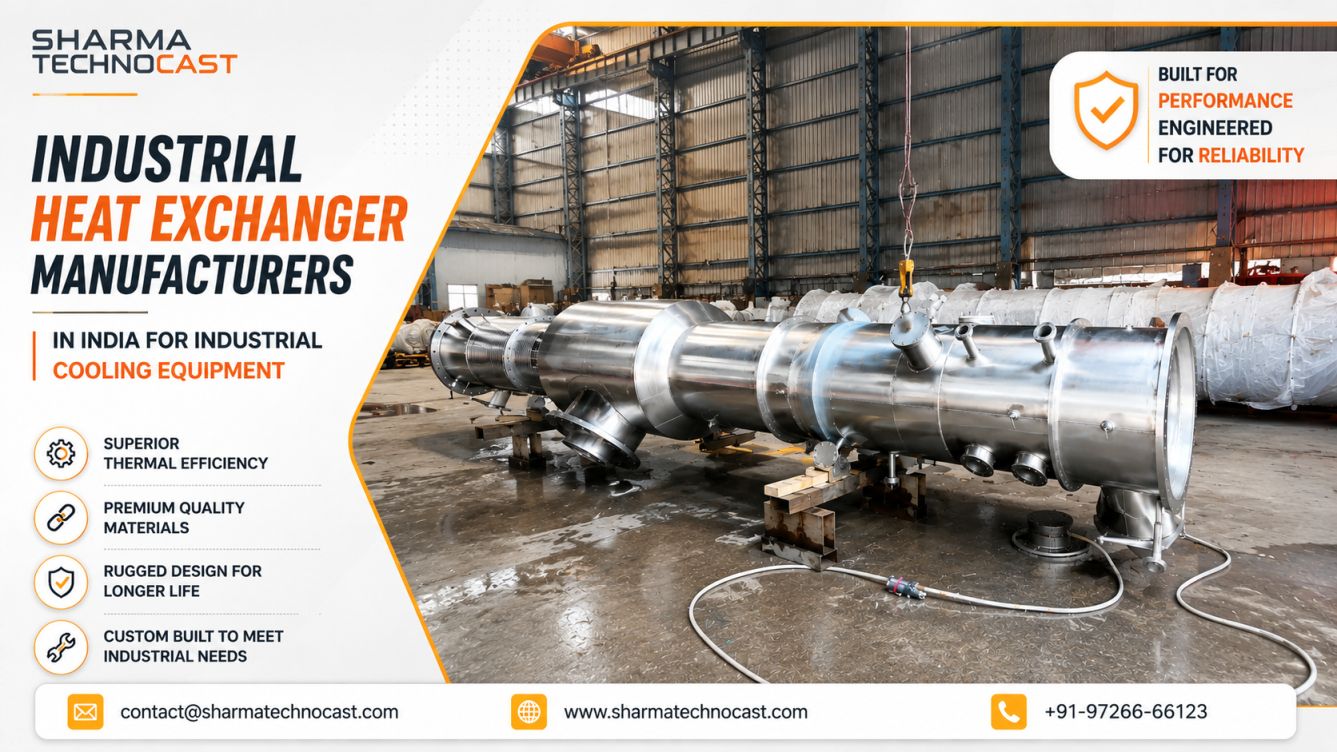

A cooling exchanger can work well when it is first installed and gradually lose performance as operating conditions change. The process outlet temperature begins to rise, cooling capacity falls, and cleaning becomes more frequent than originally planned. Cooling water quality is often part of the reason. Suspended solids can settle inside the system. Dissolved minerals can form deposits on heated surfaces, while biological growth can create additional fouling. Even a relatively thin layer of deposits can add thermal resistance between the process fluid and the cooling medium. This is why exchanger selection for cooling service involves more than comparing surface area, material and purchase price. The operating conditions need to be considered during the design stage. Tube-side velocity is one example. If the velocity is too low, suspended material can settle more easily. If it is too high, erosion and excessive pressure drop can become concerns. Maintenance access is another practical consideration. Depending on the installation, operators may need to remove a tube bundle, mechanically clean the tubes or use water-jet equipment. The exchanger layout therefore needs to leave sufficient access for the selected cleaning method. Tube arrangement also matters. Straight tubes can make some mechanical cleaning methods easier, while removable bundles can simplify inspection and maintenance. The correct choice depends on the fluid, fouling tendency, available space and operating conditions. For industrial cooling systems, these decisions are normally discussed during equipment design rather than after the exchanger has already been installed. Heat exchanger manufacturing also involves several supporting operations. Fabrication, welding, machining, assembly and pressure testing all contribute to the final equipment. Keeping these stages coordinated can make it easier to maintain dimensional requirements and inspection records throughout production.