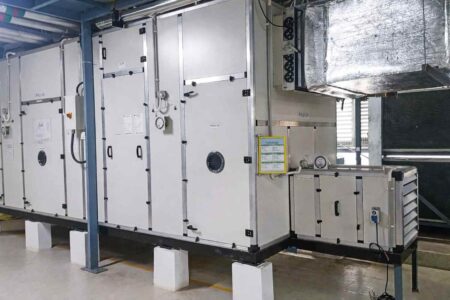
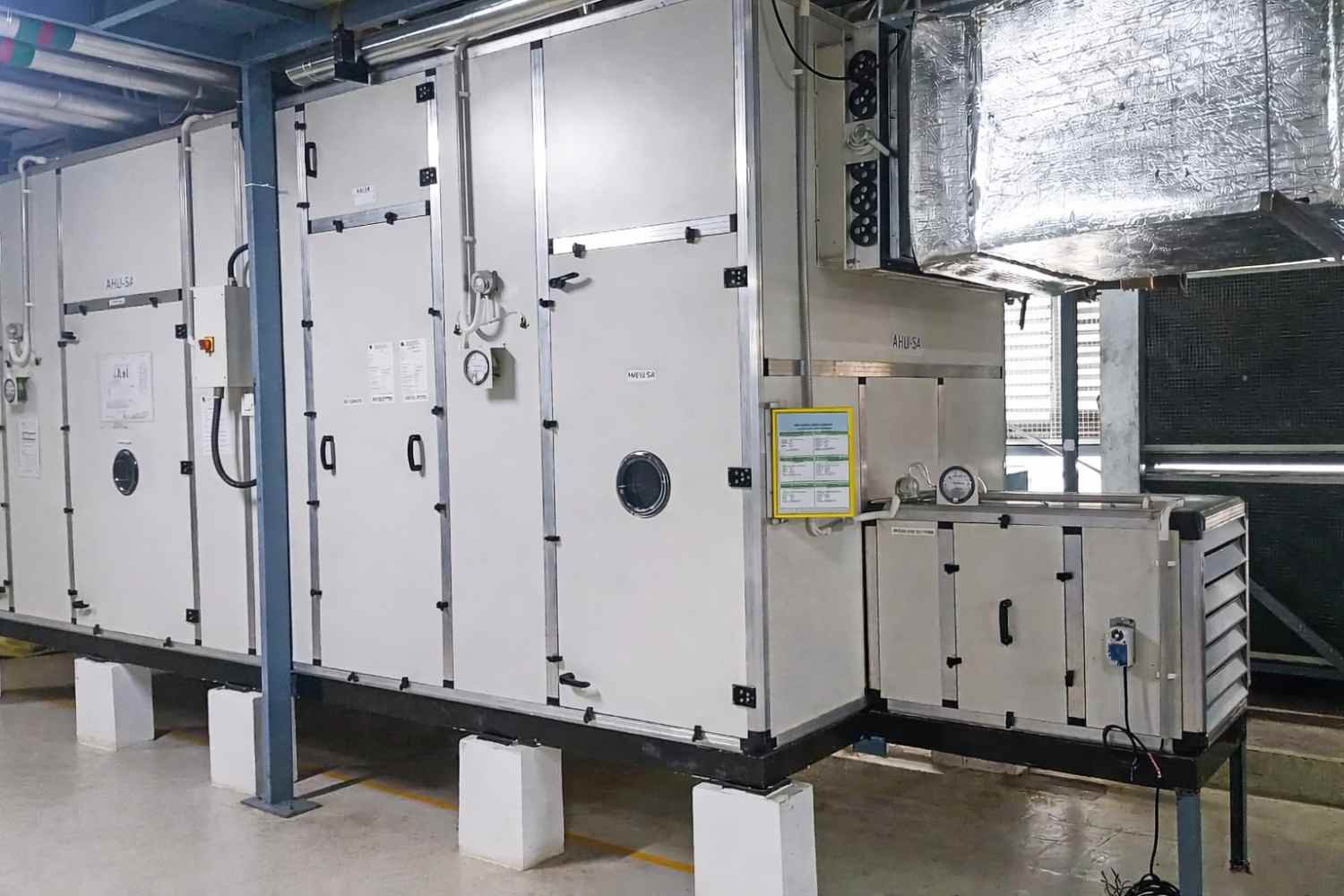

An HVAC Systems Manufacturer in Bangalore provides engineered heating, ventilation, and air conditioning solutions for pharmaceutical, healthcare, laboratory, cleanroom, manufacturing, research, electronics, and other specialized facilities. These systems are designed to maintain suitable temperature, humidity, ventilation, filtration, airflow, and pressure conditions according to specific operational requirements. Modern HVAC systems involve more than conventional cooling and heating. They can integrate Air Handling Units, cooling and heating equipment, ventilation systems, multi-stage filtration, HEPA filters, ductwork, dampers, fans, sensors, and automated controls. Proper coordination of these components helps maintain consistent environmental conditions across different facility zones. In pharmaceutical and cleanroom environments, HVAC planning requires careful attention because environmental conditions can influence product quality, process stability, equipment performance, and contamination-control strategies. Air changes, filtration efficiency, temperature, humidity, airflow direction, and differential pressure should be evaluated during system design. Air Handling Units play an important role by conditioning and distributing air while supporting filtration, cooling, heating, ventilation, and humidity management. Appropriate AHU selection and sizing can contribute to consistent airflow and reliable system performance. Ventilation helps provide fresh air while removing unwanted heat, odours, contaminants, and pollutants. Humidity control can also be achieved through suitable humidification or dehumidification methods based on facility requirements. Energy efficiency is another important consideration. Correct equipment sizing, efficient components, variable-speed controls, optimized airflow, and preventive maintenance can help reduce unnecessary energy consumption. Choosing an experienced HVAC Systems Manufacturer in Bangalore enables organizations to develop application-specific solutions based on facility layout, cooling loads, airflow requirements, filtration needs, pressure relationships, maintenance access, operating conditions, and future expansion. Regular monitoring and maintenance can further support reliable performance and long-term HVAC efficiency.