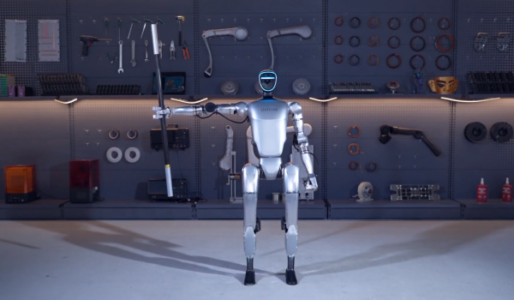
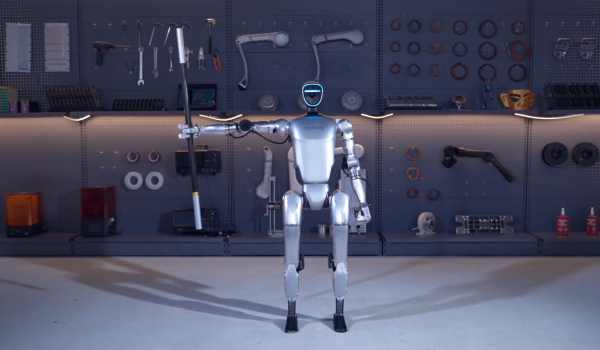

The Unitree G1 is worth buying in 2026 only when the organization has a workload that benefits from combining bipedal mobility, bilateral manipulation, and human-compatible operating geometry. Its compact humanoid architecture allows it to approach workbenches, shelving, doors, tools, and control interfaces designed around the human body, but that access comes with a control burden absent from wheeled systems and most quadrupeds. Every arm movement, payload transfer, floor transition, or external contact changes the robot’s center of mass and ground-reaction profile; the procurement decision therefore turns less on whether the platform can perform an impressive motion sequence than on whether the engineering team can maintain stable behavior across repeated, imperfect trials.