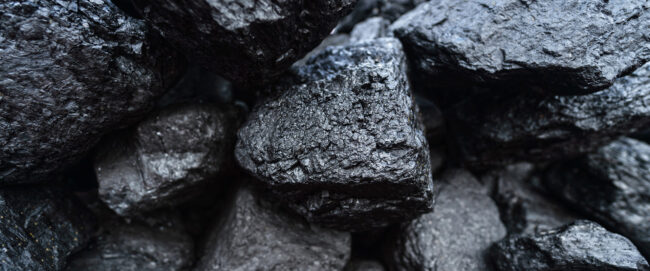


Introduction to the Market There is considerable growth in the petroleum coke market owing to the increase in demand from aluminum smelting plants, cement production facilities, steel manufacturers, power generation companies, and various other industries using the product. Petroleum coke, also known as petcoke, is carbon-rich solid waste obtained from crude oil processing that finds use in several applications, including as fuel due to its high heat value and low costs. Several factors, such as increased industrialization, demand for energy, rising refineries capacity, as well as increased infrastructure development projects around the world are driving the market. Moreover, technological advancements along with the increasing demand for calcined petroleum coke are creating substantial growth opportunities for players in the industry over the forecast period. Key Market Trends Increasing demand from aluminum smelting companies. Increased usage in cement plants. Growing oil refineries capacity. Increasing demand for calcined petroleum coke. Rising industrial fuel demand. Increased infrastructure development projects. Technological advancements. Rising export from petroleum coke manufacturing countries. Key Analytical Methods Used in the Report Estimation and projection models for the market size (2026-2036). CAGR and growth trend analysis. Revenue growth evaluation. Supply chain and value chain analysis. Competitors’ benchmarking. Demand projection models. Price analysis of raw materials. Trade flow and industry assessment. Regional Insights Asia-Pacific Region The region leads the market owing to industrialization, expansion in aluminum production, increase in activities related to cement production, and high demand for energy in countries such as China, India, Japan, and other South-East Asia countries. North America The region holds an important share owing to high refinement activities, high industrial demand, and rise in exports of petroleum coke. Europe This region experiences steady growth owing to increased demand from industries and metal production plants along with the development of infrastructural projects. Latin America/MEA The regions experience rising demand owing to increased capacity of refineries and increase in construction activities. SWOT Analysis Strengths High energy and carbon content. Economical source of industrial fuel. High demand by several end-use industries. Readily available as a product of refining activity. Weaknesses Higher carbon emission during combustion. Environmental and legal constraints. Opportunities Expansion of aluminum and steel industries. Development of new refining facilities. Growing industrialization in developing countries. Advancement in sustainable processing methods. Threats Environmental regulatory issues. Increasing usage of renewable energy sources. Price fluctuations in the crude oil industry. Pressure to lower carbon emissions. PESTLE Analysis Political Energy policies, environmental policies, trade policies, and industrial development policies have an impact on market growth. Economic Growing industries, infrastructure development, and manufacturing activities drive market growth. Social Growing urbanization and industrialization drive up the demand for industrial materials and energy sources. Technological Technologies for refining processes, calcination, emission controls, and industrial processing are being improved. Environmental Growing awareness about greenhouse gases and pollution is driving cleaner technologies within industries. Legal Regulatory policies concerning environment, emissions, transportation, and industrial safety should be adhered to. Companies in the Industry Some important companies engaged in the petroleum coke industry are: Exxon Mobil Corporation Chevron Corporation Valero Energy Corporation Marathon Petroleum Corporation Phillips 66 Reliance Industries Limited Saudi Aramco Indian Oil Corporation Limited BP plc Shell plc The key players in the market are concerned about production efficiencies, increasing exports, complying with environmental regulations, making strategic alliances, etc. Issues Facing the Industry Environmental compliance issues. Uncertainty in crude oil and petcoke prices. Transportation and logistical problems. Emission concerns. Regulatory hurdles in certain areas. Availability of alternative fuels. Potential Opportunities Aluminum manufacturing capacity increase. Increased demand for cement manufacturing. Technologies for clean utilization of petcoke. Industrialization in developing countries. Uses of calcined petroleum coke. Opportunities for exporting in growth markets.