
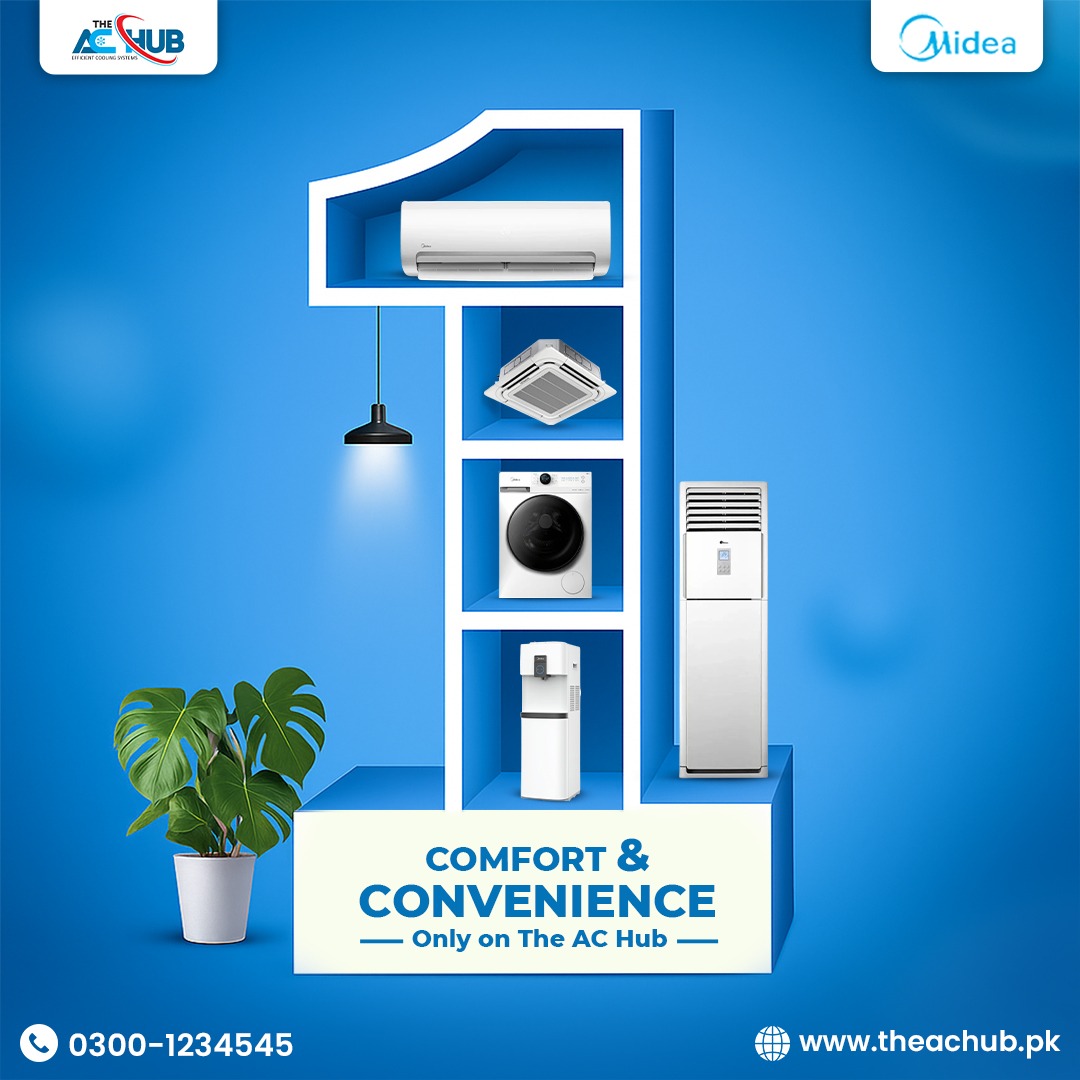

When Ahmed Rahman accepted the role of operations manager for Crescent Tower, he thought the hardest part of the job would be handling tenants. The twenty-story commercial building housed everything from law firms and software companies to a crowded call center on the top floor. Every business depended on one thing: a comfortable indoor environment. Ahmed learned very quickly that comfort was not something people noticed when it worked — only when it failed. The first heatwave of summer arrived earlier than expected. By noon, the glass walls of the building trapped sunlight like an oven. Employees complained about warm meeting rooms, customers shortened their visits, and one frustrated tenant threatened to end their lease entirely. The building’s aging cooling system struggled to keep up. Determined to fix the issue permanently, Ahmed began researching modern climate control solutions. What surprised him most was how different systems solved different architectural problems. There was no “one-size-fits-all” answer. His first discovery came during a visit to a newly renovated design studio downtown. The office looked clean and open, with no bulky equipment mounted on the walls. Yet every room felt perfectly cool. The studio owner pointed upward. Hidden within the suspended ceiling was a cassette-style cooling system. Only a slim decorative panel was visible, blending seamlessly into the room. Cool air flowed gently in every direction instead of blasting from a single point. Ahmed immediately understood the appeal. In spaces where appearance mattered — conference rooms, boutiques, and modern offices — ceiling-mounted systems preserved both comfort and aesthetics. Even better, the units operated so quietly that conversations continued uninterrupted beneath them. For several floors inside Crescent Tower, this seemed like the ideal solution. But the building presented another challenge. The top-floor event hall had towering ceilings and hosted large gatherings almost every weekend. During weddings, seminars, and corporate events, the room heated up rapidly as hundreds of guests filled the space. A ceiling-mounted system alone would never react fast enough. That problem led Ahmed to another option: powerful floor-standing cooling units designed for large open areas. Unlike hidden ceiling systems, these units stood visibly against the walls, delivering strong airflow across massive rooms in minutes. During a test installation, Ahmed watched the temperature drop noticeably within a short time. The hall, once known for becoming unbearably warm during crowded events, suddenly felt comfortable even at full capacity. Still, one final issue remained. Crescent Tower was more than individual rooms. It was an interconnected building with shared airflow, ventilation demands, and indoor air quality concerns. Employees were not just complaining about heat anymore — they were complaining about stale air and constant dust. That was when Ahmed met Farooq, a veteran HVAC engineer with nearly thirty years of experience. Farooq walked him through the mechanical floor where the building’s central air handling equipment operated. Massive fans circulated air through filters, cooling coils, and ventilation ducts before distributing it throughout the tower. “This,” Farooq explained, placing a hand on the large metal cabinet, “is the real heart of the building.” Ahmed realized the system did far more than regulate temperature. It controlled airflow, removed airborne particles, and introduced fresh outside air into the environment. A properly maintained air handling system could improve comfort, reduce odors, and even support employee health. Over the next several months, Crescent Tower underwent a complete cooling upgrade. Ceiling-mounted systems were installed in executive offices and retail spaces. High-capacity floor-standing units transformed the event hall. The central air handling equipment received modern filtration and energy-efficient controls. When summer returned the following year, something remarkable happened. Nobody complained. Meetings continued comfortably through the hottest afternoons. Retail customers stayed longer inside the shops. Event bookings increased because guests no longer dreaded the heat. Even the building’s electricity costs dropped thanks to the improved efficiency of the upgraded systems. One evening, Ahmed stood alone in the lobby after everyone had left. Cool air moved quietly through the building, almost unnoticed. For the first time since taking the job, he understood something important: successful buildings are not remembered for the machines hidden inside them. They are remembered for how people feel when they walk through the doors.