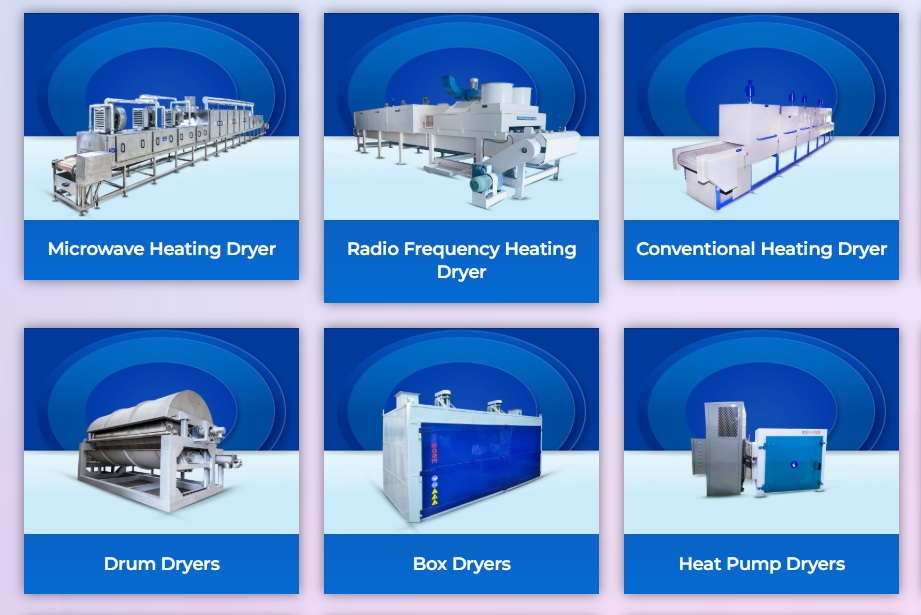

Understanding Industrial Drying Systems and Their Role in Modern Manufacturing In many industries, moisture control plays a critical role in maintaining product quality, stability, and shelf life. From food processing and pharmaceuticals to chemicals and minerals, drying is often one of the final and most important steps in production. Industrial drying systems are designed to remove moisture efficiently while preserving the physical and chemical properties of the material. Why Drying Matters in Industrial Processes Moisture can significantly impact how a product behaves during storage, transport, and usage. Excess water content may lead to microbial growth, chemical instability, or structural degradation. In sectors such as pharmaceuticals and food processing, improper drying can compromise safety and compliance standards. In contrast, controlled drying ensures: Consistent product quality Longer shelf life Reduced transportation weight Improved process efficiency Common Types of Industrial Dryers Different materials require different drying techniques. The choice of dryer depends on factors such as moisture content, particle size, temperature sensitivity, and production scale. Some widely used drying systems include: Rotary Dryers – Suitable for bulk materials like minerals and biomass, offering continuous operation and high throughput. Fluidized Bed Dryers – Common in pharmaceuticals and chemicals, where uniform drying and temperature control are essential. Hot Air Tray Dryers – Used for smaller batches and heat-sensitive materials, providing controlled airflow and temperature. Spray Dryers – Ideal for converting liquid feed into powder form, often used in food and dairy industries. Each type serves a specific purpose, and selecting the right one can significantly influence operational efficiency. Key Factors in Dryer Selection Choosing the appropriate drying system involves more than just capacity. Engineers and plant operators typically consider: Material characteristics (granular, powder, slurry) Thermal sensitivity Energy consumption Available space and installation constraints Maintenance requirements Understanding these parameters helps in designing a drying solution that balances performance with cost-effectiveness. Energy Efficiency and Sustainability With increasing emphasis on sustainable manufacturing, energy-efficient drying technologies are gaining importance. Drying is often one of the most energy-intensive processes in a plant, so optimizing heat usage and airflow can lead to substantial savings. Some approaches include: Heat recovery systems Improved insulation Advanced control systems for temperature and airflow Integration with renewable energy sources These measures not only reduce operational costs but also contribute to lowering the environmental footprint of industrial operations. The Future of Drying Technology As industries evolve, drying technologies are also advancing. Automation, real-time monitoring, and smart controls are becoming standard features in modern systems. These innovations allow better precision, reduced human intervention, and improved safety. In addition, research into alternative drying methods—such as microwave or infrared drying—is opening new possibilities for faster and more efficient moisture removal. Final Thoughts Industrial drying may seem like a straightforward process, but it plays a crucial role in ensuring product quality and process reliability across multiple sectors. By understanding different drying methods and their applications, manufacturers can make informed decisions that enhance both efficiency and sustainability.